The Invisible Threat: Mold Spores and the Risks of DIY Removal in Rocky Valley
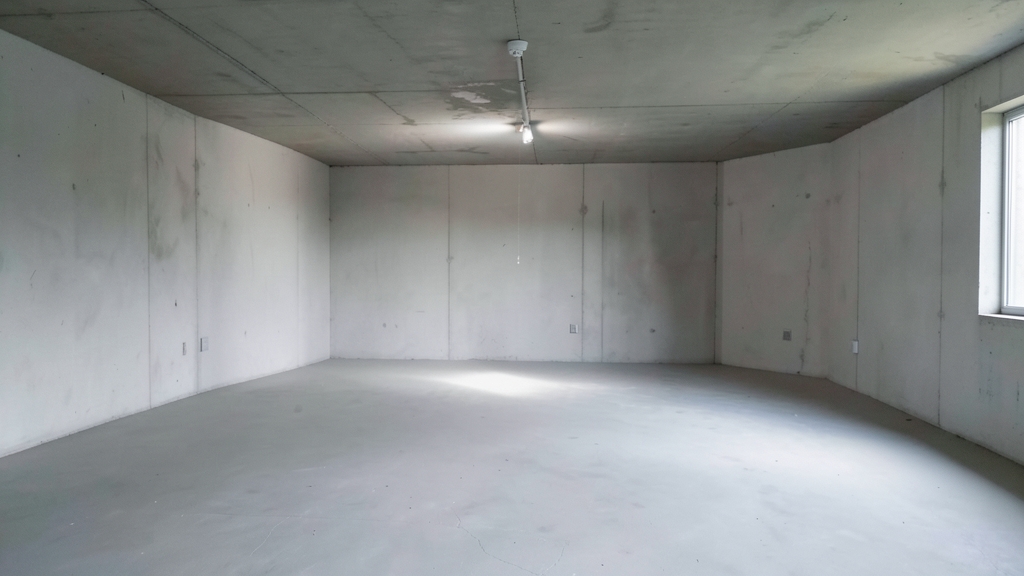
Mold spores are microscopic, resilient, and everywhere—even in the cleanest Rocky Valley homes. Attempting DIY removal without proper containment or filtration often spreads contamination further, turning a small problem into a costly, hazardous one. Our team explains why professional remediation is the only reliable solution.
Why Mold Spores Are Nearly Impossible to Eliminate on Your Own
Mold spores are airborne and can remain dormant for years, waiting for moisture to activate. Bleach or household cleaners only kill surface mold, leaving roots and spores embedded in porous materials like drywall or insulation.
Without HEPA filtration and negative air pressure, disturbing mold releases spores into living spaces. In Rocky Valley’s humid summers, these spores find ideal conditions to regrow within 24–48 hours if moisture isn’t controlled.
Mold often thrives behind walls, under flooring, or in HVAC ducts—areas DIY methods can’t reach. Professional inspections use moisture meters and thermal imaging to detect what’s invisible to the naked eye.
DIY vs. Professional Mold Remediation: What You’re Missing
DIY approaches lack the containment barriers and air scrubbers professionals use to prevent cross-contamination. Even small mistakes can spread spores to previously clean areas of your home.
Our team follows IICRC S520 standards, using specialized equipment like HEPA vacuums and antimicrobial treatments. This ensures spores are captured, not just redistributed.
| Factor | DIY Approach | Professional Remediation |
|---|---|---|
| Containment | None or minimal (plastic sheeting) | Full containment with negative air pressure |
| Spores Removal | Surface-only (bleach, scrubbing) | HEPA filtration + air scrubbers |
| Moisture Source | Often overlooked | Identified and addressed with moisture control |
| Safety | Limited PPE (gloves, mask) | Full PPE, respirators, and disposal protocols |
| Long-Term Prevention | Temporary fix | Moisture control, encapsulation, and prevention plans |
The Health Risks of Improper Mold Removal
Disturbing mold without protection exposes you to mycotoxins, which can trigger respiratory issues, allergies, or chronic sinusitis. Vulnerable groups—children, the elderly, or those with asthma—face higher risks.
In Rocky Valley, we’ve seen cases where DIY removal worsened symptoms because spores became airborne. Professionals use respirators and sealed disposal methods to minimize exposure.
Common DIY Mistakes That Make Mold Worse
Using bleach on porous surfaces like drywall or wood only bleaches the color, leaving roots intact. The mold returns when moisture returns—and it always does in our region’s damp basements and crawl spaces.
Failing to dry the area completely after cleaning gives mold a second chance. Without dehumidifiers or fans, residual moisture fuels regrowth within days.
Avoid These DIY Pitfalls
- Skipping containment (spores spread to other rooms)
- Ignoring the moisture source (mold will return)
- Using non-HEPA vacuums (releases spores back into the air)
- Disposing of moldy materials improperly (cross-contamination risk)
How Professionals Tackle Hidden Mold in Local Homes
We start with a thorough inspection, often uncovering mold in attics, basements, or crawl spaces—common issues in older Rocky Valley homes. Thermal imaging helps us trace moisture paths behind walls.
For water-damaged areas, we combine remediation with water damage restoration. In Coopersburg or Hellertown homes with flooded basements, this dual approach prevents future outbreaks.
Installing dehumidifiers in basements or improving attic ventilation can stop mold before it starts. We often recommend these upgrades after remediation to protect your investment.
When Is DIY Mold Removal *Ever* Acceptable?
For very small, non-porous surfaces (like a tile shower corner), a DIY approach with proper ventilation and a mold-killing primer *might* suffice. But anything larger than 10 square feet—or on drywall, carpet, or wood—requires professional help.
Even then, if you’re in a high-humidity area like Springtown or Center Valley, the risk of recurrence is high without addressing the root moisture issue.
The Cost Factors Behind Professional Mold Remediation
Pricing depends on the extent of contamination, the materials affected, and whether structural drying or repairs are needed. Attic or crawl space remediation often costs more due to accessibility challenges.
For an accurate estimate, request a quote. We’ll assess the scope, test air quality if needed, and provide a detailed plan—no surprises.
How to Respond If You Find Mold in Your Home
Act quickly but carefully to avoid making the problem worse.
- 1Isolate the Area
Close doors and turn off HVAC systems to prevent spores from spreading to other rooms. Avoid disturbing the mold further.
- 2Turn Off Water Sources
If the mold is near a leak or damp area, stop the water flow immediately. Use towels or a wet/dry vacuum to remove standing water.
- 3Dry the Space
Use fans or dehumidifiers to reduce humidity below 50%. Mold can’t grow without moisture, so drying is your first line of defense.
- 4Avoid DIY Cleaning on Porous Materials
If mold is on drywall, ceiling tiles, or carpet, do not attempt to clean it yourself. These materials often require removal and replacement.
- 5Call a Professional
For mold covering more than 10 square feet—or if you suspect hidden contamination—contact a remediation expert. We serve Rocky Valley, Quakertown, and surrounding areas with quick assessments.
Frequently Asked Questions
Can I just paint over mold to cover it up?
No. Painting over mold without removing it first traps moisture and spores, leading to further growth beneath the paint. Always remediate the mold and address the moisture source before repainting.
How do I know if my Rocky Valley home has hidden mold?
Signs include musty odors, water stains, peeling paint, or unexplained allergies. Professional mold testing and air quality testing can confirm hidden contamination in walls, ducts, or under flooring.
Is black mold more dangerous than other types?
Stachybotrys (black mold) produces mycotoxins that can be harmful, but all mold types pose health risks if left unchecked. The color alone doesn’t determine toxicity—professional testing identifies the species and risk level.
Does homeowners insurance cover mold remediation?
Coverage varies. Most policies exclude mold unless it’s a direct result of a covered peril (e.g., a burst pipe). Document the damage and check your policy—we can provide detailed reports for claims.
Can mold come back after professional remediation?
Only if the moisture problem isn’t fixed. Our team includes moisture control solutions—like crawl space encapsulation or basement waterproofing—to prevent recurrence. Regular inspections help catch issues early.
Do you handle commercial mold remediation in the area?
Yes. We provide commercial mold remediation for businesses in Rocky Valley, Coopersburg, and beyond. Schools, offices, and retail spaces require specialized containment and scheduling to minimize disruptions.