Mold in Rocky Valley Schools: Health Risks and Remediation Strategies
Mold in schools isn’t just an eyesore—it’s a silent threat to student health and building integrity. In our region’s humid summers and damp springs, schools in Rocky Valley and nearby areas like Hellertown and Quakertown face unique challenges. We specialize in safe, compliant remediation to protect young lungs and restore learning environments.
Why Schools Are High-Risk for Mold Growth
Schools combine the worst conditions for mold: high occupancy, poor ventilation, and frequent water intrusions from leaks or condensation. Aging infrastructure in older districts exacerbates the problem, especially in basements, crawl spaces, and attics.
Classrooms with carpeting, gymnasiums, and locker rooms trap moisture. In areas like Center Valley, seasonal humidity spikes accelerate growth on drywall, ceiling tiles, and HVAC ducts if not addressed promptly.
Health Risks of Mold Exposure in Educational Settings
Students and staff exposed to mold may experience respiratory issues, allergies, or skin irritation. Immunocompromised individuals face higher risks, including asthma attacks or chronic sinusitis.
Long-term exposure to mycotoxins from certain molds, like Stachybotrys (black mold), can lead to neurological symptoms. Early detection through mold testing and air quality assessments is critical to prevent escalation.
If mold is visible or odors are present, evacuate the affected area and contact professionals immediately. DIY cleaning can disturb spores and worsen contamination.
Signs Your School May Have a Mold Problem
Musty odors are the most obvious red flag, but mold can also hide behind walls or above drop ceilings. Look for water stains, peeling paint, or warped baseboards—common in Coopersburg and Springtown schools after heavy rains.
Unexplained health complaints among occupants, such as headaches or fatigue, can also signal poor indoor air quality. Professional mold inspection with moisture meters and thermal imaging reveals hidden issues.
Common School Mold Hotspots
- HVAC systems and ductwork
- Crawl spaces and basements
- Attics with poor ventilation
- Bathrooms and locker rooms
- Around windows and roof leaks
- Under sinks and near plumbing
Mold Remediation vs. DIY: Why Schools Need Professionals
School mold remediation isn’t a weekend project. Improper handling can spread spores, contaminating larger areas. Our team uses containment barriers, HEPA air scrubbers, and EPA-approved protocols to ensure safety.
We also address the root cause—whether it’s a leaky roof in Quakertown or condensation in Hellertown’s older buildings—through moisture control and water damage restoration. This prevents recurrence and protects long-term air quality.
| Factor | DIY Approach | Professional Remediation |
|---|---|---|
| Safety | High risk of spore dispersion and exposure | Controlled containment, PPE, and HEPA filtration |
| Effectiveness | Surface-level; mold often returns | Root-cause treatment with moisture control |
| Compliance | May violate OSHA/EPA school guidelines | Follows all local and federal regulations |
| Long-Term Cost | Recurring expenses for repeated treatments | One-time investment with prevention strategies |
| Air Quality Testing | No verification of spore levels | Pre- and post-remediation testing for clearance |
Our School Mold Remediation Process
Step one is a thorough mold inspection and air quality testing to assess the extent of contamination. We use moisture meters and borescopes to detect hidden mold in wall cavities or ductwork.
Next, we isolate the area with plastic sheeting and negative air pressure to prevent spore spread. All contaminated materials are safely removed, and surfaces are cleaned with antimicrobial solutions. HEPA vacuums capture lingering spores.
Preventing Mold in Rocky Valley Schools
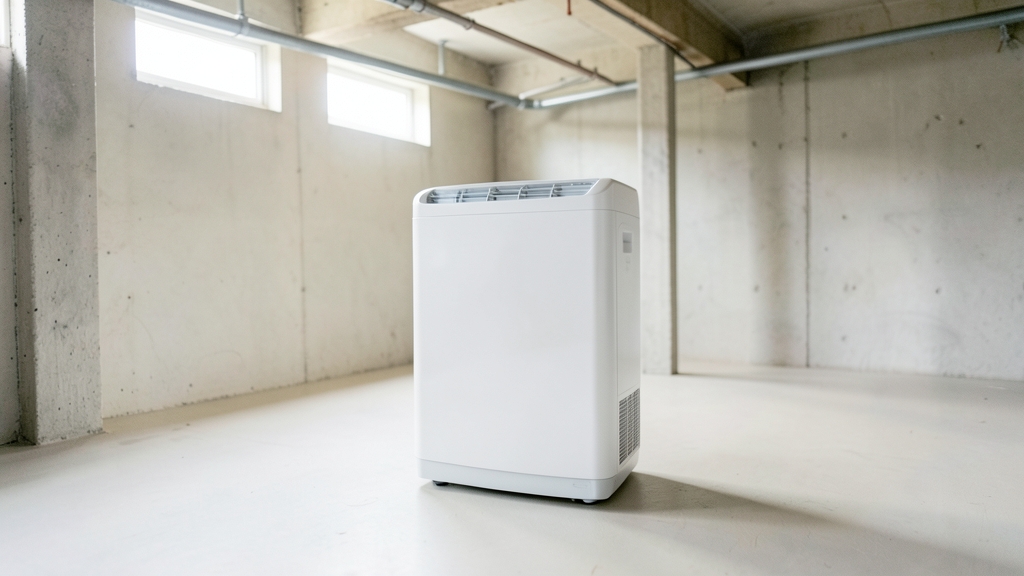
Prevention starts with moisture control. Regular HVAC maintenance, dehumidifiers in basements, and prompt leak repairs are essential. In our region’s climate, schools should monitor humidity levels, aiming for 30-50% indoors.
Educate staff on early signs of water damage and mold. Quick action—like drying wet carpets within 24-48 hours—can prevent colonies from taking hold. We also recommend annual mold inspections for high-risk areas like crawl spaces and attics.
Commercial Mold Remediation for Large Facilities
Schools often require large-scale remediation, especially in older buildings. Our commercial teams handle projects in Coopersburg, Center Valley, and beyond, coordinating with administrators to minimize disruptions.
We work after hours or during breaks to ensure student and staff safety. Post-remediation, we provide documentation for compliance and peace of mind, including air quality test results and moisture control plans.
Summer break is the ideal time for large-scale mold remediation in schools. Empty buildings allow for thorough containment and faster project completion.
Local Expertise for Rocky Valley and Beyond
We understand the unique challenges of schools in Rocky Valley, from the historic buildings in Hellertown to the modern facilities in Quakertown. Our team knows local climate patterns and common structural vulnerabilities.
Whether it’s a small classroom issue or a district-wide problem, we tailor our approach to ensure a safe, healthy environment. Request a quote to discuss your school’s specific needs and remediation timeline.
How to Respond to Suspected Mold in Your School
If you suspect mold in your school, follow these steps to protect health and property.
- 1Isolate the Area
Close off the affected space and restrict access to prevent spore spread. Turn off HVAC systems serving the area to avoid circulating contaminants.
- 2Document the Issue
Take photos and notes of visible mold, water damage, or odors. Record any health symptoms reported by students or staff.
- 3Contact a Professional
Call a mold remediation team for an inspection. Avoid disturbing the mold yourself, as this can worsen contamination.
- 4Develop a Remediation Plan
Work with the experts to create a scope of work, including containment, removal, and prevention strategies. Ensure the plan complies with EPA and OSHA guidelines.
- 5Communicate with Stakeholders
Notify school leadership, parents, and staff about the issue and remediation timeline. Transparency builds trust and ensures everyone’s safety.
- 6Schedule Post-Remediation Testing
After remediation, verify the area is mold-free with air quality testing. This step is critical for clearance and peace of mind.
Frequently Asked Questions
How quickly can mold grow in a school after water damage?
Mold can begin growing within 24-48 hours of water intrusion. In our region’s humid climate, it’s critical to address leaks or flooding promptly to prevent colonization. Request a quote for water damage restoration if needed.
Is black mold more dangerous in schools than other types?
Black mold (Stachybotrys) produces mycotoxins that can pose serious health risks, especially to children and immunocompromised individuals. However, all mold should be treated as a potential hazard and removed by professionals.
Can mold in one classroom affect the entire school?
Yes. Mold spores travel through HVAC systems and air currents. If left unchecked, contamination in one area can spread to adjacent rooms or even the entire building. Proper containment during remediation is essential.
What certifications should a school mold remediation company have?
Look for certifications like IICRC (Institute of Inspection, Cleaning and Restoration Certification) in mold remediation, as well as adherence to EPA and OSHA guidelines. Our team holds these credentials and follows industry best practices.
How do you prevent mold from returning after remediation?
Prevention starts with addressing the moisture source—whether it’s a leak, poor ventilation, or high humidity. We recommend ongoing moisture control, regular inspections, and HVAC maintenance. For schools in areas like Springtown or Center Valley, dehumidifiers in basements and crawl spaces are often necessary.
Do you offer mold testing and air quality testing for schools in Rocky Valley?
Yes, we provide comprehensive mold testing and air quality testing to identify contamination levels and spore types. This data guides our remediation plan and ensures the environment is safe for students and staff.