How to Verify a Mold-Free Home After Remediation in Rocky Valley
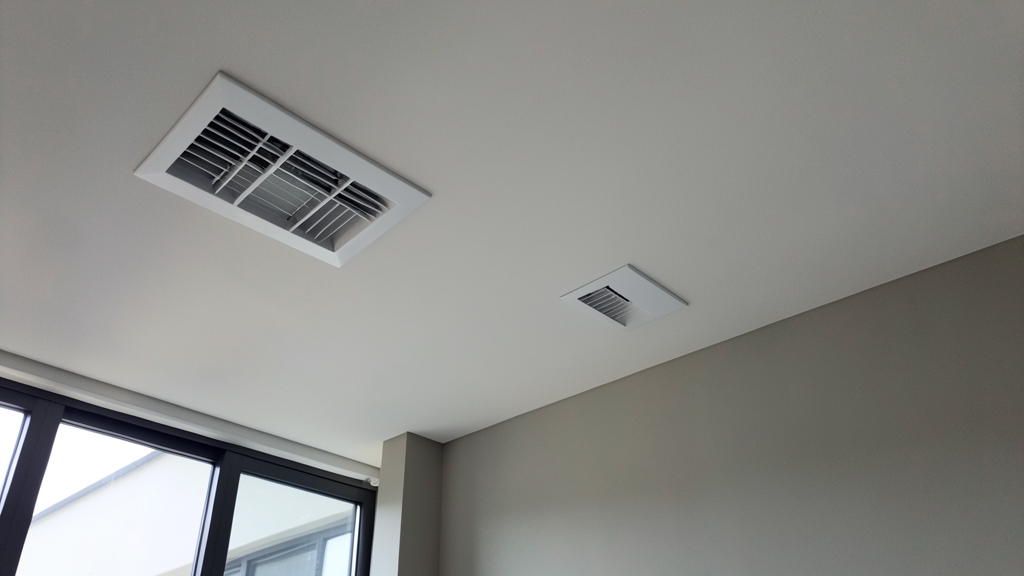
Mold remediation isn’t complete until you’ve confirmed the problem is truly gone. Even in Rocky Valley’s humid summers or damp springs, hidden spores can linger if verification isn’t done right. We’ll walk you through the professional steps to ensure your home is safe, from visual checks to lab-backed clearance testing.
Why Post-Remediation Verification Matters
Skipping verification risks undetected mold regrowth, especially in high-moisture areas like basements, crawl spaces, or attics common in our region. Spores can remain dormant, only to flourish when conditions shift.
Without proper testing, you won’t know if remediation addressed the root cause—often excess humidity or water intrusion from heavy rains or poor drainage. Rocky Valley’s older homes and those near Coopersburg or Hellertown are particularly vulnerable.
Mold thrives behind drywall, under flooring, and in HVAC systems. Never assume it’s gone just because surfaces look clean.
Visual Inspection: The First Line of Defense
A thorough visual scan should cover all remediated areas, plus adjacent spaces where spores may have spread. Use a flashlight and boroscope to check tight spaces like wall cavities or ductwork.
Look for discoloration, water stains, or musty odors—signs of lingering issues. Pay extra attention to basements and crawl spaces, where poor ventilation in our climate can trap moisture.
Moisture Testing: The Root of the Problem
Mold can’t grow without moisture. Use a moisture meter to check walls, floors, and ceilings for elevated levels (above 15-20%). Thermal imaging cameras can also reveal hidden water intrusion.
In Rocky Valley, seasonal humidity spikes—especially in summer—can mask dry surfaces while moisture lingers beneath. Always test, don’t guess.
Air and Surface Testing: Lab-Backed Proof
Post-remediation verification (PRV) requires air and surface sampling. Air tests measure spore counts in the air, while swab or tape lift samples check surfaces for residual mold.
Compare indoor spore levels to outdoor controls. In our area, common outdoor molds like Cladosporium or Alternaria can skew results—only a pro can interpret them correctly.
| Method | What It Tests | Best For |
|---|---|---|
| Air Sampling (Spore Trap) | Spore count and types in air | General indoor air quality |
| Swab Sampling | Surface mold identification | Visible mold patches |
| Tape Lift Sampling | Surface spores and fragments | Smooth or textured surfaces |
| ERMI Dust Test | Mold DNA in settled dust | Comprehensive home assessment |
Clearance Testing: The Professional Standard
Clearance testing is the gold standard for verification. A third-party inspector (not your remediation team) collects samples and sends them to an accredited lab for analysis.
In Pennsylvania, protocols often follow IICRC S520 or EPA guidelines. Results typically take 24-48 hours, and a passing report confirms your home meets safe spore thresholds.
Always hire an independent inspector for clearance testing. This avoids conflicts of interest and ensures unbiased results.
HVAC and Ductwork: Don’t Overlook Hidden Contamination
Mold in HVAC systems can spread spores throughout your home. After remediation, have ducts inspected and cleaned if contaminated. HEPA vacuuming and fogging may be needed for stubborn cases.
This is critical in older homes around Center Valley or Quakertown, where aging ductwork can harbor mold for years. A post-remediation HVAC check prevents recontamination.
Preventing Regrowth: Long-Term Strategies
Verification isn’t the end—prevention keeps mold from returning. Fix leaks promptly, improve ventilation, and use dehumidifiers in basements or crawl spaces.
Consider crawl space encapsulation or vapor barriers for homes in low-lying areas near Springtown. Regular moisture checks and HVAC maintenance are non-negotiable in our climate.
Mold Prevention Checklist
- Install dehumidifiers in basements and crawl spaces
- Seal cracks in foundations and walls
- Inspect roofs and gutters for leaks annually
- Use exhaust fans in bathrooms and kitchens
- Monitor humidity levels with a hygrometer
- Schedule annual HVAC inspections
How to Perform a Basic Post-Remediation Check
While professional verification is essential, you can conduct a preliminary check to spot obvious issues.
- 1Gather Tools
Use a flashlight, moisture meter, and a boroscope (or endoscope) for tight spaces. A hygrometer helps track humidity levels.
- 2Inspect Remediated Areas
Look for visible mold, water stains, or musty smells. Check behind furniture, under sinks, and around windows.
- 3Test Moisture Levels
Scan walls, floors, and ceilings with a moisture meter. Any reading above 20% in wood or 15% in drywall warrants further investigation.
- 4Check HVAC and Ducts
Remove vent covers and shine a light into ducts. If you see dust buildup or black spots, schedule a professional duct cleaning.
- 5Document Findings
Take photos and notes of any suspicious areas. Share these with your inspector during clearance testing.
Frequently Asked Questions
How soon after remediation can I test for mold?
Wait at least 24-48 hours after remediation completes to allow dust and spores to settle. Testing too soon can yield false positives from residual debris.
Can I use a home mold test kit for verification?
Home test kits lack the precision of professional sampling. They can’t distinguish between active and dormant spores or provide spore counts. For verification, lab-backed testing is the only reliable method.
What’s the difference between mold testing and clearance testing?
Mold testing identifies the presence and type of mold, while clearance testing confirms that remediation was successful and spore levels are safe. Clearance testing follows stricter protocols and is often required for real estate transactions.
Is mold more common in certain Rocky Valley neighborhoods?
Homes near water sources, in flood-prone areas, or with older construction (common in Hellertown or Coopersburg) are at higher risk. Poor drainage, aging roofs, and high humidity also increase vulnerability.
What should I do if clearance testing fails?
A failed test means remediation wasn’t fully effective. Your inspector will identify the source—often missed contamination or unresolved moisture. Additional cleaning, HEPA vacuuming, or moisture control may be needed before retesting.
Does insurance cover post-remediation verification?
Coverage varies by policy. Some insurers cover verification if the mold was due to a covered peril (e.g., burst pipe). Check your policy and request a quote from a local provider to understand costs.