How Professional Mold Remediation Protects Your Property Value in Rocky Valley
Mold isn’t just an eyesore—it’s a silent threat to your home’s structural integrity and market worth. In our region’s humid summers and damp basements, untreated mold can slash property value by 10-30% or more. We’ve seen firsthand how professional remediation restores safety, trust, and long-term value to homes across Rocky Valley and beyond.
Why Mold Devalues Your Home
Mold signals moisture problems, which appraisers and buyers flag as red flags. Visible growth in basements, attics, or crawl spaces often leads to lower offers or failed inspections.
Mycotoxins from certain molds can also raise health concerns, deterring families with children, pets, or respiratory sensitivities. Even if hidden, mold odors are a dead giveaway during showings.
In Coopersburg and Springtown, older homes with poor ventilation or past water damage are especially vulnerable. Proactive remediation prevents these issues from becoming deal-breakers.
Structural Damage: The Hidden Cost of Untreated Mold
Mold doesn’t just stain surfaces—it decomposes wood, drywall, and insulation over time. In attics, it can weaken rafters; in basements, it may compromise foundation materials.
We’ve remediated homes in Hellertown where long-term mold had softened subflooring, requiring costly replacements. The sooner you act, the less invasive (and expensive) the repairs.
Mold can spread across 10+ square feet in as little as 48 hours under ideal conditions. Delaying remediation only deepens structural and financial damage.
How Remediation Restores (and Even Boosts) Property Value
A certified remediation report proves to buyers that the issue was handled professionally. This transparency builds trust and can justify higher asking prices.
In Center Valley and Quakertown, homes with documented mold remediation often sell faster. Buyers pay a premium for peace of mind—especially in competitive markets.
Post-remediation air quality testing further validates the work, showing spore counts are within safe ranges. This is a powerful negotiating tool.
Mold Remediation vs. DIY: What Appraisers Notice
Appraisers can spot shoddy DIY fixes: bleached surfaces (which don’t kill roots), unpainted patches, or lingering odors. These lower confidence in the property’s condition.
Professional remediation includes containment, HEPA filtration, antimicrobial treatments, and moisture control—steps DIYers often skip. The difference is visible in the quality of the finish and the long-term results.
| Factor | Professional Remediation | DIY Approach |
|---|---|---|
| Mold Removal Depth | Eliminates roots and spores in porous/non-porous materials | Surface-level only; roots often remain |
| Prevention of Recurrence | Includes moisture control and dehumidification plans | Rarely addresses underlying moisture issues |
| Documentation | Provides certification and air quality test results | No official records for appraisers or buyers |
| Safety | Uses PPE, containment barriers, and HEPA vacuums | Risk of cross-contamination and exposure |
The Role of Moisture Control in Long-Term Value
Mold returns without fixing the source: leaks, poor drainage, or high humidity. We always pair remediation with moisture solutions like vapor barriers, sump pumps, or improved ventilation.
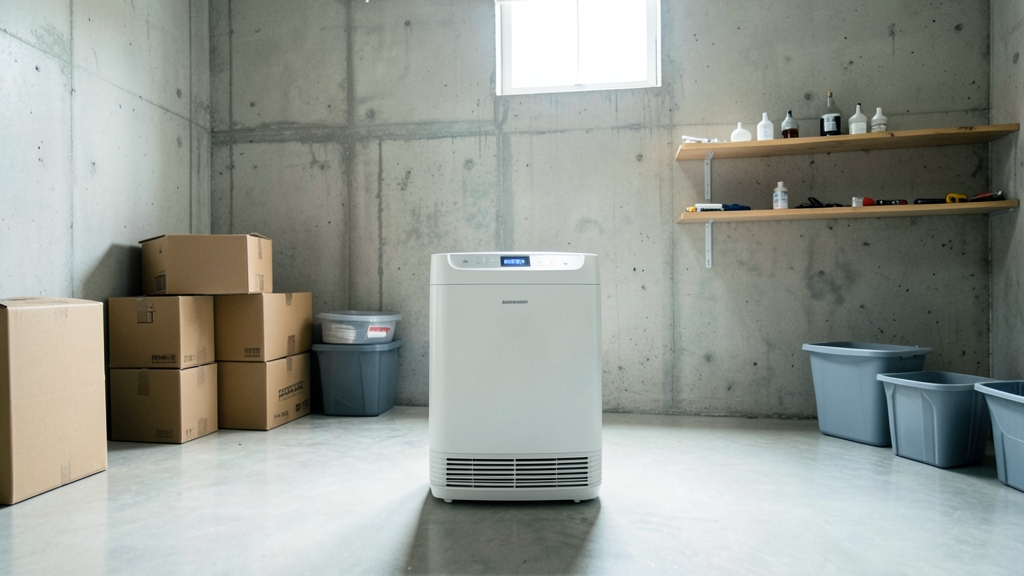
In Rocky Valley’s climate, basements and crawl spaces need year-round attention. Dehumidifiers and encapsulation systems are investments that pay off in resale value.
Moisture Control Must-Dos
- Inspect for leaks in roofs, pipes, and foundations
- Install or upgrade exhaust fans in bathrooms and kitchens
- Use a dehumidifier in basements and crawl spaces (target <50% humidity)
- Grade soil away from the foundation to prevent water pooling
- Seal cracks in walls and floors to block moisture intrusion
Commercial Properties: Mold’s Impact on Business Value
For commercial spaces in Rocky Valley, mold can trigger code violations, tenant disputes, or even temporary closures. Offices, retail, and rental properties lose value fast when mold is present.
We’ve worked with landlords in Quakertown to remediate mold in multi-unit buildings, ensuring compliance and retaining tenant trust. Documentation is key for insurance and legal protection.
Commercial mold issues often lead to lease terminations. Proactive remediation and air quality testing can prevent costly vacancies.
Pre-Sale Mold Inspections: A Smart Investment
Sellers often assume a home inspection will catch mold—but many standard inspections don’t include air quality or hidden mold testing. A pre-sale mold inspection identifies issues before they derail a deal.
In Hellertown and Center Valley, we’ve helped sellers address mold proactively, leading to smoother transactions and higher final sale prices. Buyers appreciate the transparency.
Local Factors That Influence Remediation Costs
Costs vary based on the extent of infestation, affected materials, and accessibility. Attic mold in older homes often requires more labor than a contained basement issue.
In Rocky Valley, seasonal humidity can accelerate mold growth, sometimes requiring immediate attention. Always request a quote—we assess these factors on-site.
How to Prepare Your Home for Mold Remediation
A little prep ensures the process is efficient and thorough.
- 1Clear the Area
Remove furniture, storage, and personal items from the affected space. This gives our team unobstructed access to walls, floors, and ceilings.
- 2Turn Off HVAC
Shut down heating/cooling systems to prevent mold spores from spreading through ductwork during remediation.
- 3Seal Off the Space
Close doors and windows to the remediation zone. Our team will add plastic sheeting for containment, but your help limits initial exposure.
- 4Protect Pets and Plants
Relocate pets, aquariums, and houseplants to a mold-free area. Some remediation chemicals and equipment can be harmful to animals and sensitive vegetation.
- 5Plan for Temporary Relocation
For large or severe infestations (especially in living areas), consider staying elsewhere during remediation. This is safer for your health and allows us to work faster.
Frequently Asked Questions
Will mold remediation increase my home’s value in Rocky Valley?
Yes, if done professionally. Remediation eliminates a major red flag for buyers and appraisers, often justifying a higher asking price. Documentation and post-remediation testing add credibility.
How do I know if mold is affecting my property value?
Signs include musty odors, visible growth, or past water damage. If buyers or inspectors frequently mention moisture issues, mold may already be impacting offers. A mold inspection provides clarity.
Can I sell my home with mold present?
Technically yes, but you’ll likely face lower offers, longer time on market, or demands for concessions. In Pennsylvania, sellers must disclose known mold issues, which can deter buyers.
Does homeowners insurance cover mold remediation in Rocky Valley?
It depends on the cause. Sudden water damage (e.g., burst pipes) is often covered, but long-term moisture issues or neglect usually aren’t. Review your policy and request a quote for remediation costs.
How long does mold remediation take for an average home?
Most residential projects take 1-3 days, depending on the size and severity. Drying time and air quality testing may add a few more days. We provide a timeline during the initial assessment.
What’s the difference between mold testing and inspection?
A mold inspection visually assesses for growth and moisture sources. Testing (air or surface samples) identifies spore types and concentrations. For property value, both are valuable—inspection finds problems, testing confirms they’re resolved.