The Hidden Costs of Mold Remediation: Structural Repairs You Need to Know About in Rocky Valley
Mold doesn’t just leave stains and odors—it eats away at the bones of your home. In Rocky Valley’s humid summers and damp falls, hidden structural damage often surfaces only after we begin remediation. These repairs can rival or even exceed the cost of the mold treatment itself.
Why Structural Damage Hides Behind Mold Growth
Mold thrives in moist, organic materials—drywall, wood framing, and subflooring are prime targets. By the time you see surface mold, it may have already compromised structural integrity beneath.
In older homes common in Coopersburg and Hellertown, latent moisture from past leaks or poor ventilation accelerates wood rot. This isn’t just cosmetic; it’s a safety risk.
Common Structural Repairs After Mold Remediation
Drywall often needs full replacement, not just cleaning. Mold roots penetrate gypsum, making salvage impossible without risking regrowth.
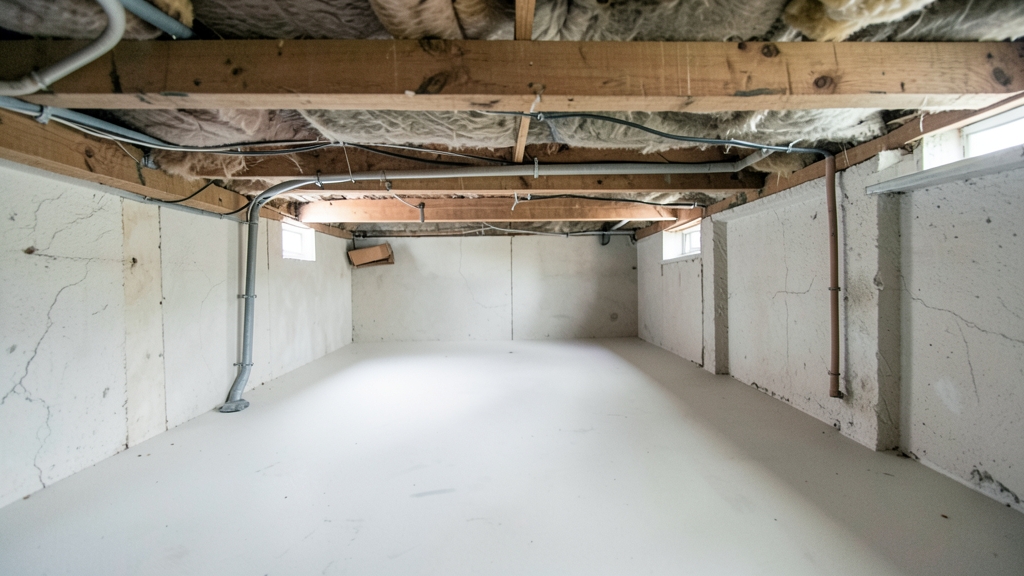
Subflooring and joists in basements or crawl spaces—especially in Springtown’s low-lying areas—frequently require partial or full replacement due to prolonged moisture exposure.
HVAC systems contaminated by mold spores may need duct cleaning or even component replacement to prevent recirculation. This is critical in tightly sealed modern homes.
| Repair Type | Trigger Condition | Urgency |
|---|---|---|
| Drywall Replacement | Extensive hyphal penetration or crumbling | High |
| Subfloor Replacement | Wood rot, spongy feel, or visible fungal growth | High |
| Joist Reinforcement | Structural sagging or engineer’s assessment | Critical |
| HVAC Duct Cleaning/Replacement | Visible mold in vents or air quality test failure | High |
| Crawl Space Encapsulation | Chronic humidity or standing water | Medium |
| Attic Sheathing Replacement | Prolonged roof leaks or condensation issues | Medium |
How Moisture Sources Drive Repair Costs
The root cause of mold—unaddressed moisture—dictates the extent of repairs. A one-time flood in Center Valley might require targeted fixes, while chronic humidity in Quakertown basements often demands systemic solutions like vapor barriers.
Poor attic ventilation traps moisture, leading to sheathing rot. Without addressing this, mold will return even after remediation.
Replacing damaged materials without fixing the moisture source often leads to mold returning. Always pair remediation with prevention.
The Role of Professional Inspections
A thorough mold inspection in Rocky Valley isn’t just about identifying mold—it’s about assessing structural compromise. Our team uses moisture meters, borescopes, and thermal imaging to detect hidden damage.
Air quality testing pinpoints spore levels, but structural engineers may be needed to evaluate load-bearing damage in severe cases.
When to Expect the Highest Repair Costs
Costs escalate with the scope of damage. Full crawl space encapsulation in a Springtown home with chronic water intrusion can exceed the remediation itself.
Attic mold tied to roof leaks often requires not just remediation but roof repairs, insulation replacement, and ventilation upgrades. These are common in older homes near Hellertown.
Preventing Future Structural Damage
Moisture control is non-negotiable. Dehumidifiers in basements, proper grading around foundations, and regular gutter maintenance are low-cost defenses against costly repairs.
In Rocky Valley’s climate, crawl space encapsulation and attic ventilation upgrades are long-term investments that pay off by preventing mold and structural decay.
Mold Prevention Checklist for Homeowners
- Install and maintain a high-capacity dehumidifier in basements/crawl spaces
- Ensure downspouts extend at least 5 feet from the foundation
- Seal cracks in foundations and walls to block moisture intrusion
- Schedule annual HVAC inspections to prevent condensation buildup
- Use moisture-resistant materials (e.g., paperless drywall) in high-risk areas
Commercial vs. Residential Structural Repairs
Commercial mold remediation in Center Valley or Quakertown often involves larger-scale structural repairs. Drywall, ceiling tiles, and HVAC systems in offices or retail spaces may require full replacements to meet health codes.
Residential repairs are typically more localized but can be just as complex, especially in historic homes with plaster walls or unique framing.
Businesses face additional costs for temporary relocation, air scrubbing, and compliance with OSHA or local health regulations during remediation.
How to Assess Structural Damage Before Remediation
A proactive evaluation saves time and money.
- 1Conduct a Visual Inspection
Look for warping, discoloration, or crumbling in walls, floors, and ceilings. Pay special attention to areas near past leaks or high humidity zones like bathrooms and basements.
- 2Use a Moisture Meter
Test suspect materials for elevated moisture levels (above 15-20% for wood). Hidden moisture often indicates mold even if it’s not visible.
- 3Check for Structural Movement
Inspect for sagging floors, cracks in walls, or doors/windows that no longer close properly. These can signal compromised load-bearing elements.
- 4Review Past Water Damage
Trace any history of leaks, flooding, or condensation issues. Chronic moisture is the top predictor of structural mold damage.
- 5Consult a Professional
If you find signs of damage, bring in a certified mold remediation team. We’ll use advanced tools to map the full extent of the problem.
Frequently Asked Questions
Does homeowners insurance cover structural repairs from mold remediation in Rocky Valley?
Coverage varies widely. Most standard policies exclude mold unless it’s tied to a covered peril like a sudden pipe burst. Structural repairs may be partially covered if the mold resulted from a covered event. Always review your policy and request a quote from us to understand potential out-of-pocket costs.
How do I know if mold has damaged my home’s structure?
Signs include soft or spongy floors, cracked or bubbling walls, musty odors in specific areas, or visible mold growth on wood or drywall. A professional inspection with moisture mapping and air quality testing provides definitive answers.
Are structural repairs more expensive in older homes near Hellertown or Coopersburg?
Often, yes. Older homes may have unique materials (e.g., plaster, lath) that require specialized repair techniques. Additionally, historic structures may have hidden moisture issues from decades of wear, increasing the scope of work.
Can I live in my home during mold remediation and structural repairs?
It depends on the severity. For small, contained areas, you may stay with proper containment barriers. Extensive mold or structural work—especially in HVAC systems or load-bearing walls—often requires temporary relocation for safety.
What’s the most common structural repair needed after mold remediation in Rocky Valley?
Drywall replacement is the most frequent, followed by subfloor repairs in basements and crawl spaces. Attic sheathing and joist reinforcement are also common, particularly in homes with poor ventilation or past roof leaks.
How can I prevent structural damage from mold in my Center Valley home?
Control moisture at the source: fix leaks promptly, maintain proper humidity levels (30-50%), ensure good airflow in attics and crawl spaces, and use mold-resistant building materials in high-risk areas. Regular inspections catch issues early.