How HEPA Filtration Ensures Safe Mold Removal in Rocky Valley
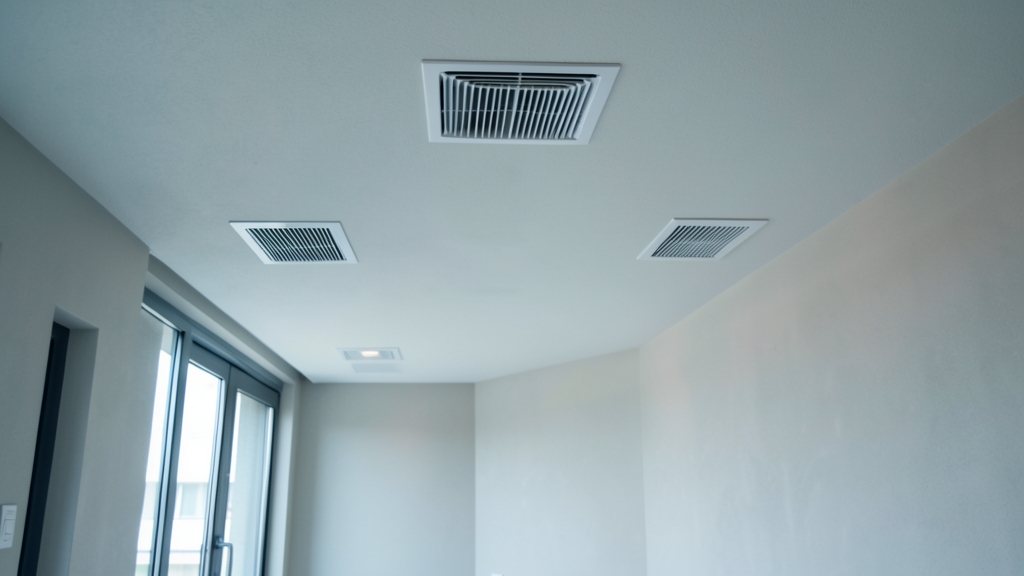
Mold spores are invisible but relentless, and in a humid Pennsylvania climate, they thrive. HEPA filtration isn’t just a tool in mold remediation—it’s the frontline defense to capture microscopic spores and prevent cross-contamination during removal. Our team uses it to safeguard your home and health from start to finish.
Why HEPA Filtration Is Non-Negotiable in Mold Remediation
Standard vacuums and air filters can’t trap mold spores—they often recirculate them. HEPA (High-Efficiency Particulate Air) filters capture 99.97% of particles as small as 0.3 microns, including the most common mold spores like Aspergillus and Penicillium.
During remediation in areas like Coopersburg or Springtown, disturbing mold colonies releases spores into the air. Without HEPA filtration, these spores settle on surfaces, re-infesting your home within days.
How HEPA Works Alongside Containment and Air Scrubbers
We establish containment barriers to isolate the work area, then deploy air scrubbers with HEPA filters. These machines create negative air pressure, pulling spore-laden air through the filter before it escapes.
In basements or crawl spaces—common problem zones in Hellertown and Center Valley—this setup prevents spores from migrating to clean areas of the home during mold removal.
Always shut down and seal HVAC systems during remediation. Even HEPA filters can’t compensate for spores circulating through ductwork.
HEPA vs. Standard Filtration: What You’re Really Getting
Not all filters are created equal. Standard furnace filters (MERV 1-4) catch dust but let spores pass through. Even high-MERV filters (13-16) fall short of HEPA’s efficiency for mold.
| Filter Type | Minimum Efficiency Reporting Value (MERV) | Spores Captured (%) | Suitable for Mold Remediation? |
|---|---|---|---|
| Standard Fiberglass | 1-4 | <10% | No |
| Pleated (High MERV) | 8-12 | 20-60% | No |
| HEPA | 17-20 | 99.97% | Yes |
| ULPA | 21+ | 99.999% | Yes (Overkill for most residential jobs) |
The Hidden Risks of DIY Mold Cleanup Without HEPA
Homeowners in Quakertown or Rocky Valley often reach for bleach and a shop vac. But bleach only kills surface mold, and most vacs lack HEPA filters—blowing spores deeper into your home.
Improper cleanup can also aerosolize mycotoxins, which linger in the air and pose serious health risks. Professionals use HEPA-equipped tools to mitigate this.
Inhaling high concentrations of mold spores can trigger allergies, asthma, or respiratory infections. HEPA filtration is critical to reduce airborne exposure during remediation.
HEPA in Every Phase: From Inspection to Prevention
We start with HEPA during mold testing and air quality assessments to avoid skewing results with ambient spores. Post-remediation, HEPA air scrubbers run until spore counts return to normal levels.
For long-term prevention, we often recommend portable HEPA air purifiers for basements or attics—especially in older homes where moisture control is a challenge.
Common Mold Hotspots in Local Homes (and How HEPA Helps)
Attics in Center Valley often trap moisture from poor ventilation, leading to mold on sheathing. Crawl spaces in Coopersburg suffer from ground moisture and poor airflow. Basements in Hellertown battle humidity year-round.
HEPA filtration is vital in these tight spaces, where spores concentrate quickly. We pair it with dehumidifiers and antimicrobial treatments to break the mold life cycle.
Signs Your Home Needs Professional Mold Remediation
- Visible mold growth on walls, ceilings, or under sinks
- Musty odors persisting after cleaning
- Unexplained allergic reactions or respiratory issues indoors
- Water damage or staining in basements, attics, or crawl spaces
- Peeling paint or warping wood (indicates chronic moisture)
What to Expect During HEPA-Equipped Mold Remediation
First, we contain the area with plastic sheeting and set up air scrubbers with HEPA filters. Our team wears PPE, including N95 respirators, to avoid inhaling spores.
After removing contaminated materials (like drywall or insulation), we HEPA-vacuum all surfaces to capture residual spores. Final air quality testing confirms the remediation’s success.
How to Maintain Indoor Air Quality After Mold Remediation
Even after professional remediation, proactive steps keep mold from returning.
- 1Control Humidity
Use dehumidifiers to keep indoor humidity below 50%. In basements or crawl spaces, consider encapsulation for a permanent moisture barrier.
- 2Improve Ventilation
Run exhaust fans in bathrooms and kitchens for at least 20 minutes after use. Attics and crawl spaces may need additional vents or fans.
- 3Inspect Regularly
Check under sinks, around windows, and in basements for leaks or condensation. Early detection prevents small issues from becoming full-blown infestations.
- 4Use HEPA Air Purifiers
Place portable HEPA purifiers in high-risk areas like basements or bedrooms. Replace filters every 6-12 months, or as recommended by the manufacturer.
- 5Address Water Damage Immediately
Any water intrusion—from a leaky roof to a burst pipe—requires prompt drying (within 24-48 hours) to prevent mold growth. Call professionals for water damage restoration if needed.
Frequently Asked Questions
Is HEPA filtration enough to remove mold spores from my Rocky Valley home?
HEPA filtration is a critical part of the process, but it’s not standalone. Effective mold remediation combines HEPA air scrubbing with containment, physical removal of contaminated materials, and moisture control. Request a quote to assess your home’s specific needs.
Can I rent a HEPA air scrubber and do the job myself?
While renting equipment is possible, DIY remediation often misses hidden mold or fails to address the root moisture issue. Professionals also use HEPA in conjunction with other safety protocols, like negative air pressure and PPE, which are hard to replicate without training.
How do I know if my HVAC system is spreading mold spores?
If you notice musty odors when the HVAC runs or see mold near vents, your system may be contaminated. A mold inspection with air quality testing can confirm this. In such cases, duct cleaning with HEPA-equipped tools is often necessary.
Are all HEPA filters the same for mold remediation?
Not all HEPA filters are created equal. True HEPA filters (rated H13 or higher) are required for mold remediation. Cheaper “HEPA-like” filters may not meet the 99.97% efficiency standard needed to capture mold spores.
What’s the difference between mold removal and mold remediation?
Mold removal refers to eliminating visible mold, while remediation addresses the root cause (like moisture) and ensures spores are contained and removed safely. Remediation includes HEPA filtration, containment, and prevention strategies to stop regrowth.
Do I need mold testing if I can already see mold?
Visible mold confirms a problem, but testing identifies the type and spore concentration in the air. This helps us tailor the remediation plan—especially important in homes with immune-compromised residents or in commercial spaces near Center Valley.