Chronic Coughs and Hidden Mold: What Rocky Valley Homeowners Need to Know
A persistent cough that lingers for weeks often signals more than a cold—especially in older homes across Rocky Valley. Hidden mold, thriving in damp basements, attics, or behind walls, releases spores and mycotoxins that irritate airways. We’ve seen firsthand how undetected colonies in Coopersburg or Hellertown trigger chronic respiratory symptoms until properly remediated.
Why Mold in Homes Triggers Persistent Coughing
Mold reproduces by releasing microscopic spores into the air. When inhaled, these spores can irritate the throat, lungs, and nasal passages, leading to a dry, persistent cough.
Certain molds like Stachybotrys (black mold) and Aspergillus produce mycotoxins that worsen inflammation, especially in individuals with allergies or asthma. Even non-toxic mold can act as a potent allergen.
In Rocky Valley’s humid summers and wet springs, moisture lingers in basements, crawl spaces, and under sinks—ideal conditions for mold growth. Poor ventilation in attics or bathrooms accelerates the problem.
Common Signs of Hidden Mold Beyond the Cough
Musty odors are the most obvious red flag. If you notice a damp, earthy smell in your basement, crawl space, or near HVAC vents, mold is likely present.
Visible signs include discolored patches on walls, ceilings, or under flooring. Mold can appear black, green, white, or even pink, depending on the species and surface.
Unexplained water stains, peeling paint, or warped wood indicate past or ongoing moisture issues. In older homes near Center Valley or Quakertown, these are often tied to hidden mold.
A musty odor doesn’t always mean visible mold. Spores can spread through HVAC systems, affecting air quality in living spaces far from the source.
Where Mold Hides in Rocky Valley Area Homes
Basements and crawl spaces are prime culprits due to poor drainage, foundation cracks, or lack of vapor barriers. Springtown’s clay soil can exacerbate moisture wicking into concrete.
Attics often harbor mold when roof leaks or inadequate ventilation trap humidity. Insulation can mask growth until it spreads to drywall or rafters.
Behind walls, under sinks, and beneath flooring are common hideouts, especially after plumbing leaks or water damage. Mold can thrive undetected for months in these areas.
Mold vs. Mildew: Key Differences for Homeowners
While both are fungi, mold penetrates surfaces and can cause structural damage, whereas mildew stays on the surface and is easier to clean. Mildew is typically white or gray, while mold appears in various colors.
| Feature | Mold | Mildew |
|---|---|---|
| Appearance | Fuzzy or slimy; black, green, red, or blue | Powdery or downy; white or gray |
| Growth Pattern | Penetrates porous materials like drywall and wood | Remains on surface |
| Health Impact | Can cause respiratory issues, allergies, or mycotoxin exposure | Less harmful; may trigger mild allergies |
| Removal Difficulty | Often requires professional remediation | Can usually be cleaned with household products |
| Common Locations | Basements, attics, behind walls, under flooring | Bathrooms, kitchens, windowsills |
Health Risks of Long-Term Mold Exposure
Chronic coughing is just the start. Prolonged exposure can lead to sinusitis, throat irritation, and skin rashes. Those with compromised immune systems or lung conditions face higher risks.
Mycotoxins from certain molds may cause neurological symptoms like headaches or fatigue. Children and the elderly are particularly vulnerable to these effects.
Asthma sufferers may experience more frequent attacks, while non-asthmatics can develop asthma-like symptoms. In severe cases, hypersensitivity pneumonitis (lung inflammation) can occur.
If someone in your household has allergies, asthma, or a weakened immune system, prioritize mold inspection and remediation. Early action prevents long-term health complications.
When to Call a Mold Remediation Professional
If mold covers more than 10 square feet, or if it’s in your HVAC system, professional remediation is critical. DIY cleanups can disturb spores, worsening contamination.
Hidden mold—such as behind drywall or under flooring—requires specialized tools like moisture meters, borescopes, or thermal imaging to detect. Our team uses these for accurate assessments.
Recurring mold after cleaning signals an underlying moisture issue. Without addressing the root cause, mold will return. This is common in basements and crawl spaces across Coopersburg and Hellertown.
Signs You Need Professional Mold Remediation
- Mold returns after cleaning
- Visible growth in HVAC ducts or vents
- Musty odors persist despite cleaning
- Water damage or leaks in walls, ceilings, or floors
- Health symptoms improve when away from home
What to Expect During Mold Remediation
First, we conduct a thorough mold inspection and testing, including air quality samples, to identify the extent and type of contamination. This step is crucial for developing a targeted remediation plan.
Containment is key. We use physical barriers and negative air pressure to prevent spores from spreading during removal. HEPA air scrubbers filter airborne contaminants in real time.
Porous materials like drywall or insulation are often removed and replaced. Non-porous surfaces are cleaned with antimicrobial solutions. All affected areas are dried thoroughly to prevent regrowth.
Preventing Mold Regrowth in Your Home
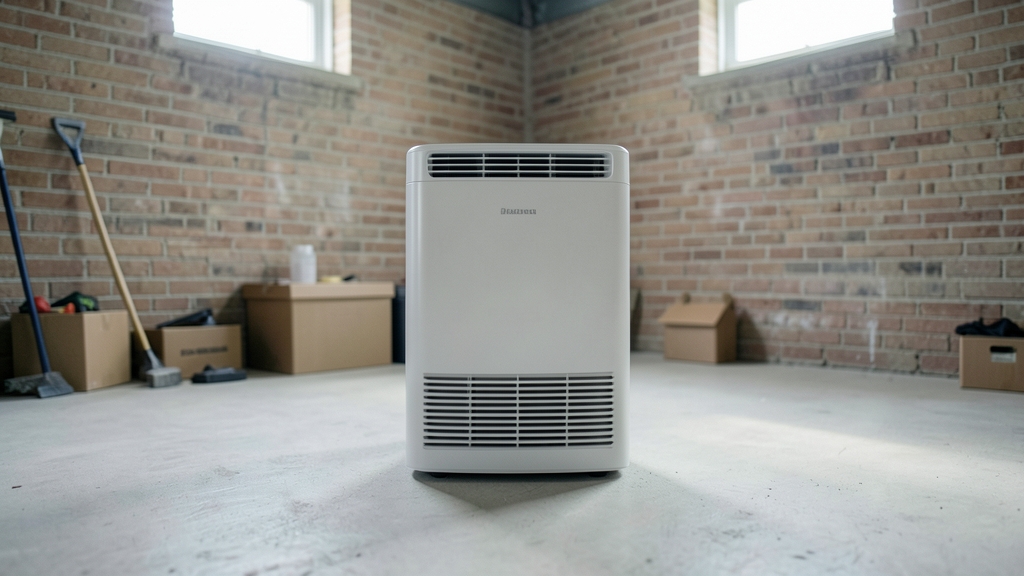
Control humidity with dehumidifiers, especially in basements and crawl spaces. Aim for indoor humidity below 50% to discourage mold growth.
Fix leaks promptly—whether from roofs, pipes, or windows. In Rocky Valley’s climate, even small drips can lead to major mold issues over time.
Improve ventilation in high-moisture areas like bathrooms, kitchens, and attics. Exhaust fans and open windows help reduce humidity buildup.
Spring and fall are critical times for mold prevention in PA. Melting snow and heavy rains can introduce moisture, while cooler temps reduce airflow, trapping humidity indoors.
How to Safely Inspect for Hidden Mold at Home
While professional testing is ideal, you can perform a preliminary check for hidden mold in your home.
- 1Gather Protective Gear
Wear an N95 respirator, gloves, and goggles to avoid inhaling spores or touching contaminated surfaces.
- 2Check for Moisture
Use a moisture meter to detect high humidity levels in walls, floors, or ceilings. Readings above 15-20% indicate potential mold risk.
- 3Inspect Common Hotspots
Look behind furniture, under sinks, in basements, attics, and around windows. Pay attention to discoloration, water stains, or musty smells.
- 4Use a Flashlight and Mirror
Shine a flashlight at angles to spot mold in dark or hard-to-reach areas like crawl spaces or behind pipes. A small mirror can help inspect tight spaces.
- 5Avoid Disturbing Mold
Do not touch or attempt to clean mold without proper equipment. Disturbing it can release spores into the air, worsening contamination.
- 6Document and Request a Quote
Take photos of any suspected mold and note its location. Contact a local remediation expert to schedule a professional inspection and testing.
Frequently Asked Questions
Can hidden mold cause a chronic cough even if I don’t see it?
Absolutely. Mold spores are microscopic and can circulate through your home’s air, especially via HVAC systems. Even without visible growth, inhalation can trigger persistent coughing, throat irritation, and other respiratory symptoms.
How quickly can mold grow after water damage in Rocky Valley homes?
Mold can begin growing within 24 to 48 hours of water intrusion. In our region’s humid climate, this timeline is often accelerated, making prompt water damage restoration critical to preventing colonization.
Is black mold more dangerous than other types?
Stachybotrys (black mold) can produce mycotoxins that pose greater health risks, especially with long-term exposure. However, all mold should be treated seriously, as even non-toxic varieties can cause allergies and respiratory issues.
Will bleach kill mold on my walls?
Bleach may remove surface mold on non-porous materials like tile, but it doesn’t penetrate porous surfaces like drywall or wood. More importantly, bleach doesn’t address the root moisture issue, so mold often returns. Professional remediation is safer and more effective.
Can mold in my basement affect air quality upstairs?
Yes. Mold spores are lightweight and can travel through air currents, HVAC systems, or even on clothing. Basement or crawl space mold in Rocky Valley homes can absolutely impact air quality on upper floors.
What’s the difference between mold testing and mold inspection?
A mold inspection visually assesses your home for signs of mold and moisture issues. Mold testing involves collecting air or surface samples to identify specific mold types and spore counts. Both are often needed for a complete assessment.